

Jookjangyeon
Goyo Set
Goyo Set
고요 세트
🚚 Ships from New York within 1 business day
Delivery in 0-5 business days
Couldn't load pickup availability
Highlights
A spoonful of this doenjang turns a simple pot of broth into a deep, nutty stew. Jookjangyeon makes it in Sangsari, a mountain village in Pohang, and ages it at least two years in breathing onggi. Its gochujang keeps it company, a clean, bright chili paste sweetened only with grain. Three recipe cards come in the box, so even someone new to Korean cooking can follow along and put a meal on the table.
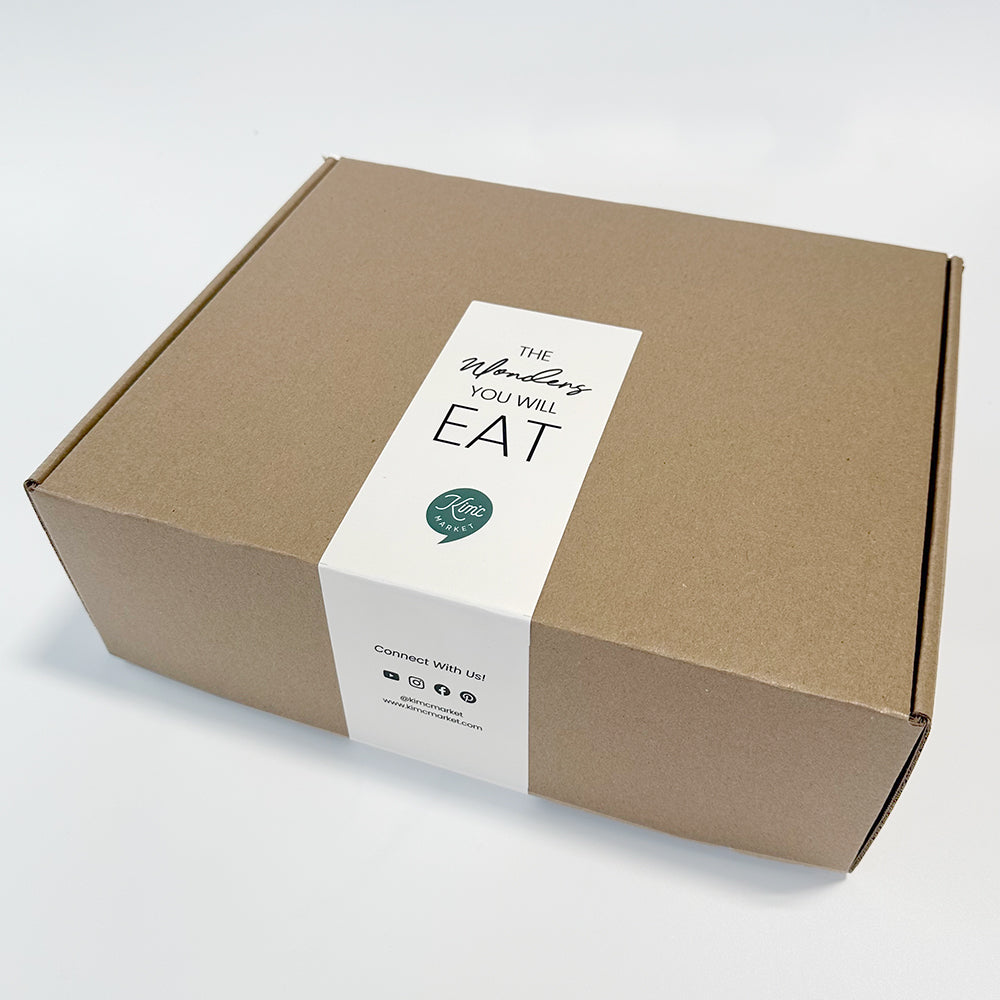
Set includes: Jookjangyeon premium gochujang 500g, Jookjangyeon premium traditional doenjang 500g, a product card with greeting, and three recipe cards, in a gift box
Ingredients (doenjang): Soybeans (Korea) 96%, sun-dried sea salt (Korea) 4%; made with bedrock water drawn from 200m underground and purified
Ingredients (gochujang): Red chili powder (Korea) 27%, rice syrup (rice: Korea) 27%, sweet rice (Korea) 25%, barley malt (Korea), sun-dried sea salt (Korea)
Purity check: No chemical seasonings, no coloring, no preservatives
Process: Soybeans boiled in iron cauldrons over oak fire; meju dried in the valley wind and fermented in hwangto clay rooms; doenjang aged at least two years and gochujang six months in breathing onggi
Net weight: Gochujang 500g (17.6 oz); doenjang 500g (17.6 oz); 1kg (2.2 lb) total
Allergens: Soybeans (doenjang); barley (gochujang)
Storage method: Keep in a cool place away from direct sunlight and refrigerate after opening; refrigeration is recommended for the gochujang from purchase. Best within 24 months of bottling
죽장연 된장은 한 숟갈만 풀어도 맑은 육수가 구수하고 깊은 찌개로 바뀝니다. 포항 산골 마을 상사리에서 담가 숨 쉬는 옹기에서 2년 넘게 익힌 된장입니다. 곁에는 엿기름과 조청으로만 은은한 단맛을 낸, 매콤하고 깔끔한 고추장이 함께합니다. 상자 안에 레시피 카드 세 장이 함께 들어 있어, 한식이 처음인 분도 카드를 따라 바로 한 상을 차려 볼 수 있습니다.
Description
Doenjang from a mountain village
Jookjangyeon's doenjang comes from Sangsari, a remote village in the mountains of Pohang. It starts with white soybeans grown in Jukjang and nearby Cheongsong and Yeongyang, boiled in iron cauldrons over oak fire and shaped into meju, the fermented soybean blocks behind every Korean jang. The meju hangs in straw to dry in the valley wind for fifty days, ferments in hwangto clay rooms, then meets Sinan sea salt left to drain for three years. After the jang is separated, the paste ages at least two more years in onggi. The taste is salty on the tip of the tongue, then nutty and deeply savory, and a pot of doenjang jjigae made with it only gets richer each time it is reheated.
A clean, gently sweet gochujang
Jookjangyeon's gochujang uses only chili grown around Jukjang. Its sweetness comes from barley malt and rice syrup working on sweet rice, and the paste ages six months until soft and round. The heat is clean and bright rather than heavy, which makes it easy to cook with and a good first gochujang for anyone new to it.
How to use it
Doenjang is the base of doenjang jjigae: a spoonful stirred into anchovy or kelp broth with tofu, zucchini, and onion. Mixed with a little gochujang, garlic, and sesame oil, it becomes ssamjang, the dip for lettuce wraps and grilled meat. Gochujang goes into bibimbap and into squid or pork stir-fries. Outside the Korean kitchen, a teaspoon of doenjang deepens a beef stew or a butter sauce for mushrooms, and gochujang thinned with honey and soy makes a quick glaze for chicken wings or roasted carrots.
A note on storage
Both pastes are living ferments made without preservatives. In the jar they may keep fermenting and rise a little, and that is normal. A thin film of white mold can sometimes form on the surface of doenjang; it is a natural yeast, not spoilage. Scoop it away with a clean spoon and the paste beneath is fine to use. Refrigerating after opening keeps both at their best.
산골 마을에서 익힌 된장
죽장연 된장은 포항의 오지 마을 상사리에서 만듭니다. 죽장과 이웃한 청송, 영양에서 난 백콩을 무쇠 가마솥에 참나무 장작불로 삶아 메주를 빚습니다. 메주는 짚으로 엮어 매달아 골바람에 50일 동안 말리고 황토방에서 발효한 뒤, 3년 동안 간수를 뺀 신안 천일염과 만납니다. 장을 가른 뒤에도 옹기에서 최소 2년을 더 익힙니다. 혀끝에서는 짭짤하다가 이내 고소하고 깊은 감칠맛이 올라오고, 된장찌개는 데울수록 맛이 깊어집니다.
매콤하고 깔끔한 고추장
죽장연 고추장은 죽장 인근에서 난 고추만 씁니다. 엿기름과 조청으로 찹쌀을 삭혀 은은한 단맛을 냈고, 6개월 동안 숙성해 맛이 부드럽습니다. 텁텁하지 않고 매콤하면서 깔끔해서 요리에 쓰기 편하고, 고추장을 처음 맛보는 분에게도 잘 맞습니다.
이렇게 써 보세요
된장은 된장찌개의 바탕입니다. 멸치나 다시마 육수에 한 숟갈 풀고 두부와 애호박, 양파를 넣어 끓이면 됩니다. 고추장 약간과 다진 마늘, 참기름을 섞으면 상추쌈과 고기에 곁들이는 쌈장이 됩니다. 고추장은 비빔밥에, 오징어나 돼지고기 볶음에 넣어 보세요. 한식 밖에서는 된장 한 티스푼을 소고기 스튜나 버섯 버터 소스에 넣어 깊이를 더하고, 고추장을 꿀과 간장에 풀어 닭 날개나 구운 당근에 바르는 글레이즈로 써 보세요.
보관 안내
두 장 모두 방부제를 넣지 않은 살아 있는 발효식품입니다. 병 안에서 발효가 이어져 조금 부풀어 오를 수 있는데, 자연스러운 현상입니다. 된장 표면에 하얀 막이 생기기도 하는데, 상한 것이 아니라 자연적인 효모입니다. 깨끗한 숟가락으로 걷어 내고 아래 된장은 그대로 쓰시면 됩니다. 개봉 후에는 냉장 보관하면 맛이 가장 오래 유지됩니다.
About
Jookjangyeon is not a factory. It's a village. Tucked into the mountain valley of Sangsari in Jookjang-eup, Pohang — a part of North Gyeongsang Province known for exceptionally clean water and cool air — it was founded on a single conviction: the best jang can only be made the old way, by the people who live closest to its ingredients. The artisans of Jookjangyeon are the residents of Sangsari themselves; they grow the soybeans, tend the onggi, and carry the knowledge forward not as a business plan but as a way of life. They use iron cauldrons and oak firewood, source their salt only from Sinan (sun-dried three full years to mellow its edge), draw water from 200 metres of bedrock, and ferment in breathing onggi made by master potter Lee Mu-nam. No MSG, no coloring, no preservatives — just 1,000 jars a year, each dated and tracked by vintage.
죽장연은 공장이 아니라 하나의 마을입니다. 경북 포항 죽장면 상사리는 유난히 맑은 물과 서늘한 공기로 알려진 곳입니다. 죽장연의 철학은 단순합니다. 가장 좋은 장은 그 재료와 가장 가까이 살아온 사람들의 손에서, 옛 방식 그대로 나온다는 것입니다. 죽장연의 생산자는 상사리 주민들입니다. 직접 콩을 키우고 항아리를 돌보며, 대를 이어 온 방식을 사업 전략이 아니라 삶의 방식으로 지킵니다. 무쇠 가마솥과 참나무 장작을 쓰고, 소금은 오직 신안에서 3년 묵힌 것만 씁니다. 물은 지하 200m 암반수를 쓰고, 발효는 이무남 장인이 빚은 숨 쉬는 옹기에서 이뤄집니다. MSG도, 색소도, 방부제도 넣지 않으며, 해마다 1,000독만 담가 저마다 담근 해로 기록합니다.